
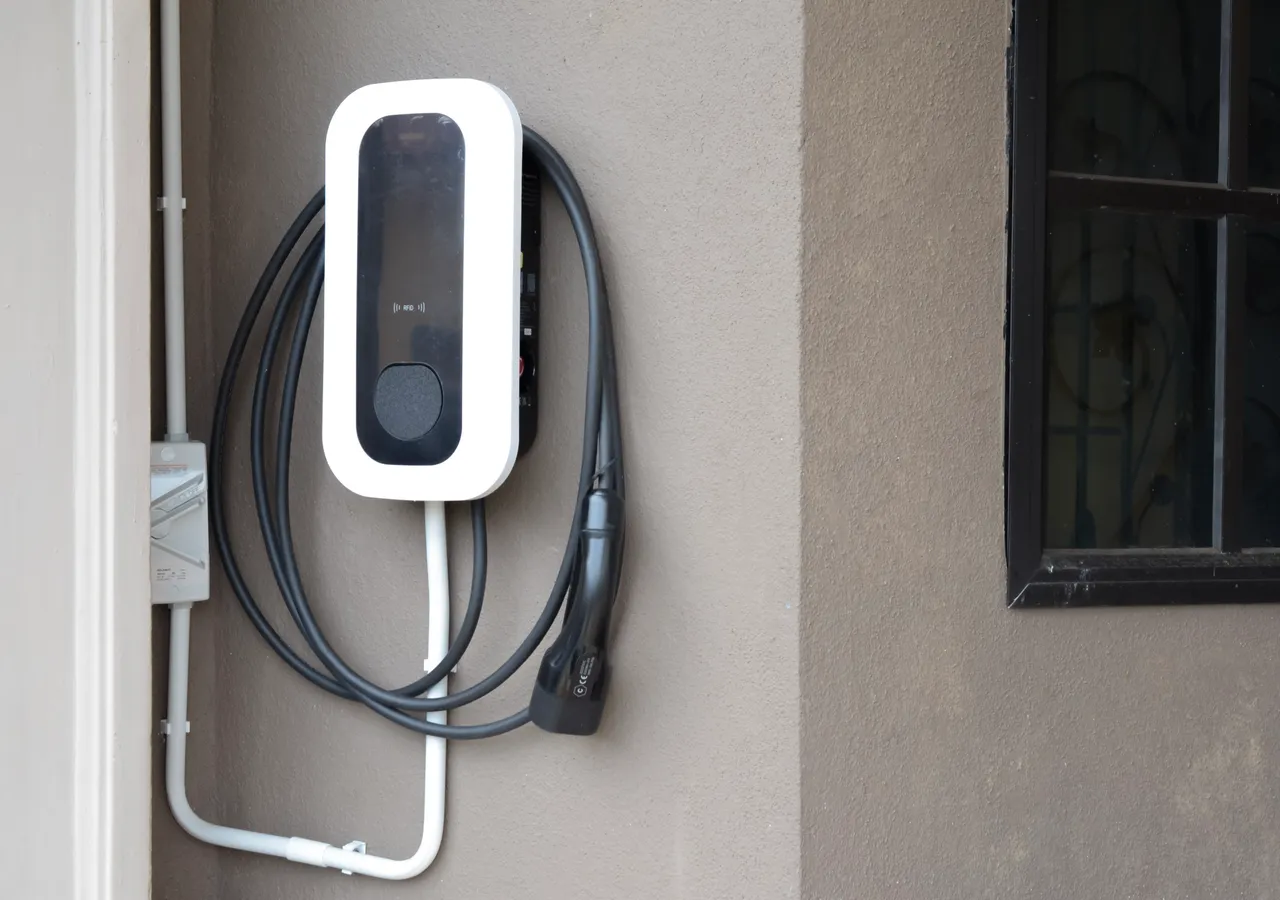
Why EV owners need a different lens
An electric vehicle adds a large, movable chunk of electricity use to your home, often the single biggest load in the house. That changes what a good plan looks like. For a typical home, you want low usage rates across the board. For an EV home, you want a plan that lets you charge that big load in a cheap window, even if other rates are only average.
The upshot is that the plan that was best for you before you bought an EV is often not the best afterwards. The whole shape of your usage has shifted toward a schedulable overnight or daytime block, and the plan should be chosen to reward exactly that.
The plan features that matter for EVs
- Dedicated EV tariff
- Some retailers offer a special super-low rate for a set overnight window aimed at EV charging. Powerful if your car can charge in that window.
- Time-of-use (TOU) tariff
- Peak, shoulder and off-peak rates. A low off-peak rate overnight suits EV charging, provided you keep other big loads out of the peak. See time-of-use vs single-rate.
- Controlled load / dedicated circuit
- A separately metered circuit at a lower rate. Some homes wire an EV charger to a controlled load, though it may limit when charging can occur.
- Solar feed-in rate
- Still matters for EV owners with solar. It sets the true cost of daytime solar charging and the value of any surplus you export. More on feed-in tariffs.
- Daily supply charge
- The fixed daily fee that shows up on every bill. A low one helps every household; a high one can quietly erode an attractive EV rate.
How to choose an EV plan the right way
- Work out when you can realistically charge: overnight, during the day on solar, or a mix. Your charging window drives which tariff type suits you.
- If you can reliably charge in a set overnight block, look hard at dedicated EV tariffs and low off-peak TOU rates.
- If you have solar and can charge by day, weigh the value of charging from surplus solar against any overnight rate.
- Check the rest of the plan (daytime usage rates, supply charge and feed-in) because your non-EV load still runs on those.
- Cost the whole thing against your real usage with the EV load included, not just the headline EV rate. This is the step most people skip.
The trap of the headline EV rate
Retailers know EV owners shop for a cheap charging rate, so a plan may advertise a very low overnight EV rate while carrying higher daytime usage rates, a steeper supply charge, or a lower feed-in tariff. If your household uses plenty of power outside the EV window (and most do), those other rates can quietly cancel out the overnight saving.
The only way to see through it is to compare on your total bill, with every part of the plan costed against your actual usage pattern. A plan is only the best EV plan if it is cheapest across everything you use, not just the hours you charge the car.
How EnergySorted finds your best EV plan
EnergySorted is independent and takes no retailer commissions, so it has no reason to push a plan with a shiny EV rate and hidden costs elsewhere. It costs every plan against your real usage (EV charging load, household load and solar feed-in together) and ranks them on the total you would actually pay.
That matters most for EV and solar households, because so many comparison tools ignore solar feed-in and treat EV charging as generic usage. EnergySorted values your feed-in on every plan and reflects your charging pattern, so the ranking you see is the genuine bottom line for your home. Upload a recent bill, tell it how you charge, and it will surface the plan that makes your EV cheapest to run. Then it is worth re-checking each year as EV tariffs and feed-in rates keep moving.
Frequently asked questions
What is the best electricity plan for an EV owner?
The one that is cheapest across your total usage with the EV charging load included: usually a plan with a low off-peak or dedicated EV rate you can charge in, without high daytime rates or supply charges that cancel the saving. It depends on when you can charge and whether you have solar.
Are dedicated EV tariffs worth it?
They can be excellent if your car reliably charges within the tariff’s cheap window. But check the rest of the plan. A low EV rate paired with higher daytime rates or supply charges may not be cheapest overall for your household.
Should EV owners use a time-of-use plan?
Often yes, because a low off-peak rate overnight suits schedulable EV charging. The catch is keeping other big loads out of the peak periods, or the higher peak rates can eat the off-peak saving.
Does solar feed-in still matter if I have an EV?
Yes. Feed-in sets the true cost of charging your EV from daytime solar and the value of any surplus you export. Many comparison tools ignore feed-in, but EnergySorted values it on every plan, which matters for EV-plus-solar homes.
How do I compare EV electricity plans properly?
Cost the whole plan against your real usage with the EV load included, not just the headline EV rate. EnergySorted is independent and compares every plan on your actual usage and feed-in, ranking them on the total you would really pay.
Should I switch plans as soon as I buy an EV?
It is worth re-comparing, because an EV reshapes your usage toward a big schedulable block and the plan that suited you before rarely suits you after. Switching is usually quick and low-risk, so there is little reason to put off the check.
Is a dedicated EV tariff or a time-of-use plan better?
It depends on your charging window. A dedicated EV rate can be excellent if your car charges in its set window, while a time-of-use plan gives more flexibility if your load spreads across off-peak hours. Cost both on your real usage before deciding.
What plan suits an EV owner who also has solar?
One that rewards both daytime solar charging and any surplus you export. Charging from solar can be your cheapest fuel, so a plan with a fair feed-in and a workable daytime or off-peak window matters most. Cost the whole plan on your real usage rather than trusting a single rate.
Would a home battery help an EV household even more?
It can, by storing daytime solar to charge the car or run the house in the evening peak, though the EV and battery compete for the same surplus. Our guide on whether a home battery is worth it covers how to model both together.
How much can the right EV plan actually save?
For a household that charges a big load in a cheap window, the difference between a well-matched plan and a poorly matched one can run to hundreds of dollars a year. That is why it pays to compare on your real usage rather than trusting a headline overnight rate.