
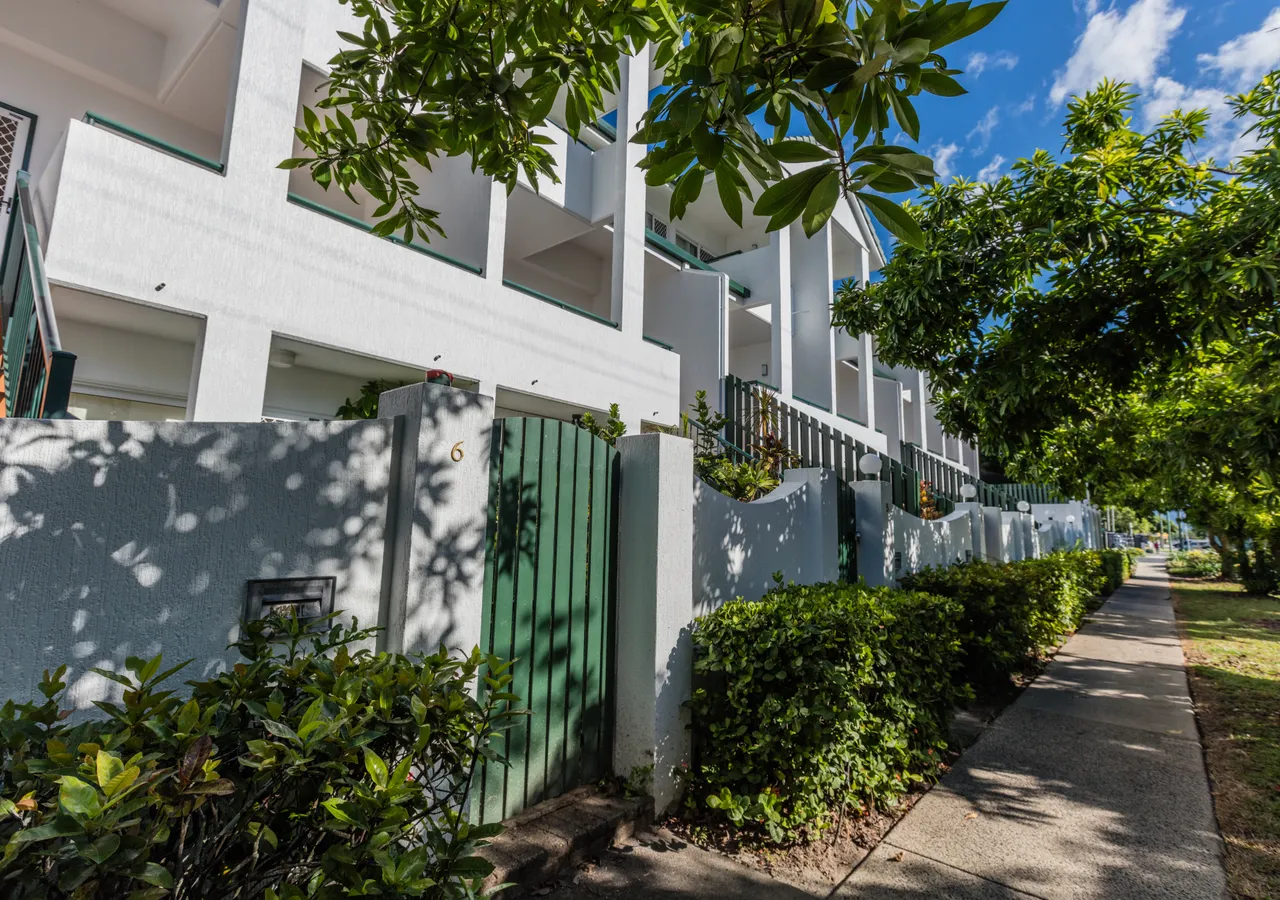
What an embedded network actually is
An embedded network is a private electricity network inside a single site: most commonly an apartment complex, a retirement village, a shopping centre, a caravan or lifestyle park, or a student accommodation block. The site takes one large connection from the grid at a "parent" meter, then distributes power internally to each unit through its own sub-meters. An operator (often engaged by the body corporate or park owner) buys the electricity in bulk and on-sells it to each resident.
The appeal for a building owner is that bulk buying can be cheaper per kWh, and it can simplify shared infrastructure like lifts, car parks and common lighting. The catch for residents is that you are buying from that internal operator rather than from a retailer of your choosing, and the wholesale saving does not always get passed through to your rate.
Why you may not be able to switch
In a normal setup, any licensed retailer can send power to your meter because you are connected directly to the public network. In an embedded network, your meter sits behind the site's parent meter, so an outside retailer cannot simply bill you without a physical or contractual path in. Historically this locked residents in with no alternative and no easy comparison.
The rules have improved. Under national arrangements, embedded network customers have a right to request a supply from an outside retailer, and operators are expected to make that possible, though in practice it can require a meter change and the willingness of a retailer to serve you, so it is not always straightforward. Importantly, the price you are charged is generally capped so it cannot exceed what you would pay on the relevant local standing or default offer, which is a floor of protection even when you cannot shop around.
Rules differ by state and by the type of site. Victoria, for example, has its own embedded network framework, and exempt sellers operate under specific conditions set by the regulator. If you are unsure, that uncertainty itself is a reason to check rather than assume you are stuck.
How to check if you're in one
- Look at your bill: if it comes from the building manager, a body corporate, a park operator or an unfamiliar "energy services" company rather than a mainstream retailer, that is a strong sign.
- Check whether the bill shows a standard retailer name and a National Metering Identifier (NMI) you can use to compare. Embedded network bills often lack a normal NMI or list an internal account instead.
- Ask the building manager or operator directly whether the site is an embedded network and who the exempt seller is.
- If you want to leave, ask the operator in writing about your right to request supply from an on-market retailer, and be aware it may involve a meter change.
- Whether or not you can switch, verify you are not being charged above the applicable default offer cap. If you are, raise it with the operator and, if needed, the energy ombudsman in your state.
Your rights and where comparison still helps
Even inside an embedded network you keep core consumer protections: price caps tied to the Default Market Offer, access to your state's energy ombudsman for disputes, and rules around disconnection and hardship (see your protections against disconnection). You should never be paying more than a standard customer would on the default plan simply because you live behind a shared meter.
If you do have the right to go on-market, a whole-of-market comparison tells you whether it is worth the effort. EnergySorted compares the full market on your real usage for a flat annual fee and takes no retailer commissions, so it can show honestly whether an outside retailer would beat your embedded rate, including cases where, once you factor in a meter change, staying put is the better call. An unbiased number is exactly what you need to make that decision.
Frequently asked questions
What is an embedded network in simple terms?
It is a private network inside one site (like an apartment block, retirement village or caravan park) that buys electricity in bulk through a single parent meter and on-sells it to each resident. You buy from the site's operator rather than choosing your own retailer.
Can I leave an embedded network and choose my own retailer?
Often yes. Embedded network customers generally have a right to request supply from an outside retailer, but it can require a meter change and a retailer willing to serve you. Ask the operator in writing and check whether the effort is worth the saving.
Am I being overcharged in an embedded network?
You should not be. Prices are generally capped so you cannot be charged more than the relevant local default or standing offer. If your rate looks higher than a standard customer would pay, raise it with the operator and your state energy ombudsman.
How do I know if my apartment is in an embedded network?
Check who bills you. A bill from a building manager, body corporate, park operator or an unfamiliar energy-services company (rather than a mainstream retailer, and often without a normal NMI) is a strong sign. When in doubt, ask the building manager directly.
Do I still have consumer protections in an embedded network?
Yes. You keep price-cap protection tied to the default offer, access to your state's energy ombudsman, and rules around disconnection and hardship. Living behind a shared meter does not strip away your core rights.
Are embedded network prices actually cheaper for residents?
Not always. The building may buy power in bulk cheaply, but the operator does not have to pass that saving through to your rate, and often does not. Understanding how retailers set their prices helps you judge whether your embedded rate is fair or just sitting at the capped maximum.
What is the default offer that caps my embedded network price?
The Default Market Offer (and the Victorian Default Offer in Victoria) is a regulated maximum standing-offer price. Embedded network charges generally cannot exceed it, so it acts as your safety net. Our guide to the Default Market Offer explained covers how the cap works and what it should mean for your bill.
Does this apply to retirement villages and caravan parks too?
Yes. Retirement villages, lifestyle and caravan parks, student accommodation and shopping centres are all common embedded network sites, and the same bulk-buy, on-sell structure applies. If you live in one, the same checks apply as for an apartment electricity plan: find out who bills you and whether you can go on-market.
Can my building get solar if it's an embedded network?
Yes, and embedded networks are actually one of the more workable ways to bring solar to apartments, because the shared metering already exists. Our guide to solar for apartments and strata covers embedded-network solar alongside the other shared-solar models.
I rent in an embedded network. Who is responsible for what?
You still pay for the energy you use, and the landlord remains responsible for the property's fixed appliances and infrastructure. Because you may not be able to choose a retailer, check the lease carefully; our guide to landlord vs tenant energy costs sets out the usual split.
How do I check whether going on-market would actually save me money?
Cost your embedded rate against the whole market on your real usage, then subtract any one-off cost like a meter change. An independent whole-of-market comparison shows honestly whether an outside retailer beats your embedded rate, or whether staying put is the smarter call.