
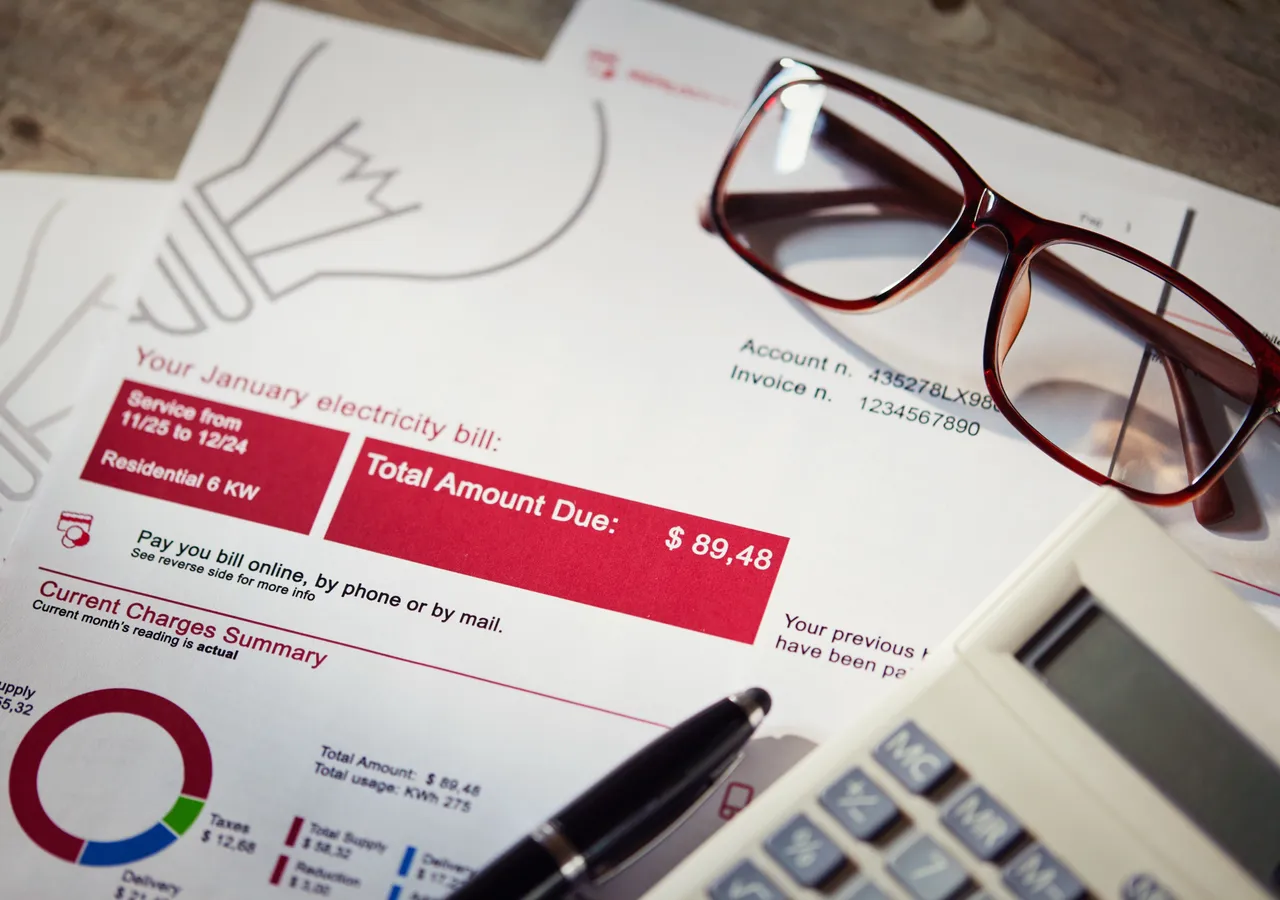
What "average" really means
People search for the average electricity bill hoping for a single number to measure themselves against, but averages hide enormous variation. A retiree couple in a mild coastal climate and a family of five running ducted air conditioning in a hot inland suburb can have bills that differ by hundreds of dollars a quarter, and both are perfectly "normal" for their circumstances.
As a rough guide at the time of writing, many Australian households land somewhere in the region of $300 to $600 per quarter for electricity, with plenty falling outside that range in either direction. Treat any headline average as a loose reference point, not a target, because the drivers behind your bill matter far more than the national mean. Always check current figures, as prices and averages shift year to year.
Why bills vary so much
- State and network
- Rates differ by state and even by network area within a state. The same usage costs different amounts in different postcodes.
- Household size
- More people means more hot water, laundry, cooking and screens, usually the single biggest driver of total kWh.
- Climate and season
- Heating and cooling dominate bills in extreme climates; a hot summer or cold winter can double a quarter.
- Home efficiency
- Insulation, the age of appliances and whether you have gas or electric hot water all move the number substantially.
- Solar and battery
- Solar can slash a daytime bill (and earn feed-in credits); a battery pushes savings further into the evening.
- Your plan and tariff
- Two identical households can pay very different amounts purely because one is on an old, expensive plan and the other is not.
How to tell if your bill is too high
Comparing your dollar total to a national average is almost meaningless, because it does not account for your household, climate or usage. A far better test is your cost per kWh and whether your plan is competitive for your actual usage pattern. A big bill driven by a big family in a hot climate might be entirely reasonable; a modest bill on a stale, overpriced plan might be quietly costing you hundreds a year.
The only reliable way to know is to cost your real usage against the current market. Because your bill total is shaped by so many factors you cannot control, the useful question is not "is my bill above average?" but "am I on the cheapest plan available for the way my household actually uses power?"
A better benchmark than the average
- Upload a recent bill to EnergySorted so your actual usage (not a national estimate) becomes the benchmark.
- Let it cost every AER-listed retailer plan against that usage, including supply charge, tariff type, controlled load and any solar feed-in.
- Look at the gap between your current plan and the cheapest suitable one. That gap, in dollars a year, is the number that actually matters.
- Track it over time with a Bill Health Score, so you see when your plan drifts off the pace and a switch is worth making again.
Frequently asked questions
What is the average electricity bill in Australia?
There is no single figure, but many households sit roughly in the $300–$600 per quarter range at the time of writing, with wide variation by state, household size and climate. Use it only as a loose reference. Your own usage matters far more.
Why is my bill so much higher than the average?
Usually because of factors specific to you: household size, climate, electric (not gas) hot water and heating, an EV, or simply an uncompetitive plan. A high bill is not automatically a problem; being on an overpriced plan is. Compare on your real usage to separate the two.
Which state has the highest electricity bills?
It shifts year to year with wholesale prices and network costs, so any ranking dates quickly. Rather than rely on a state average, check what your specific usage costs across available plans in your own network area.
How can I tell if I am overpaying?
Compare the cheapest available plan for your usage against what you pay now. If there is a meaningful gap, you are overpaying, regardless of how your bill compares to any national average. EnergySorted quantifies that gap in dollars per year.
Does household size explain most of the difference?
It is one of the biggest drivers, but not the only one. Climate, heating and hot water type, solar, and your plan all matter. Two same-sized households in different states on different plans can still have very different bills.
What is a normal electricity bill for one person?
A single-person household typically uses far fewer kWh than a family, so the bill is usually well below the household averages, though a high supply charge means it rarely halves neatly. The useful figure is still cost per kWh, not the dollar total.
How can I actually lower my bill?
Two levers move it: using less at the right times, and being on a cheaper plan. Our 12 practical ways to cut your power bill covers the usage side, and comparing plans on your real usage covers the pricing side.
Does the state I live in affect my bill?
A lot. Rates differ by state and even by network area within a state, so identical usage costs different amounts in different postcodes. Many state prices are anchored to the Default Market Offer, which is a useful reference point but rarely the cheapest deal.
Are there rebates that could bring my bill down?
Possibly. Concession-card holders and some other households qualify for state rebates that many people never claim; see rebates and concessions you may be missing. They reduce the bill regardless of which plan you are on.
How much does solar change the average bill?
Solar can slash the daytime portion of a bill and earn feed-in credits, so solar homes often sit well below the averages, at least in daylight-heavy usage. Whether it pays for itself depends on your system and export; see are solar panels worth it in Australia.
Is a quarterly or monthly bill better for budgeting?
Neither is cheaper; it is about cash flow. Some people prefer smoothing the cost into even instalments rather than facing a big quarterly hit. Our comparison of bill smoothing versus quarterly bills weighs up both.