
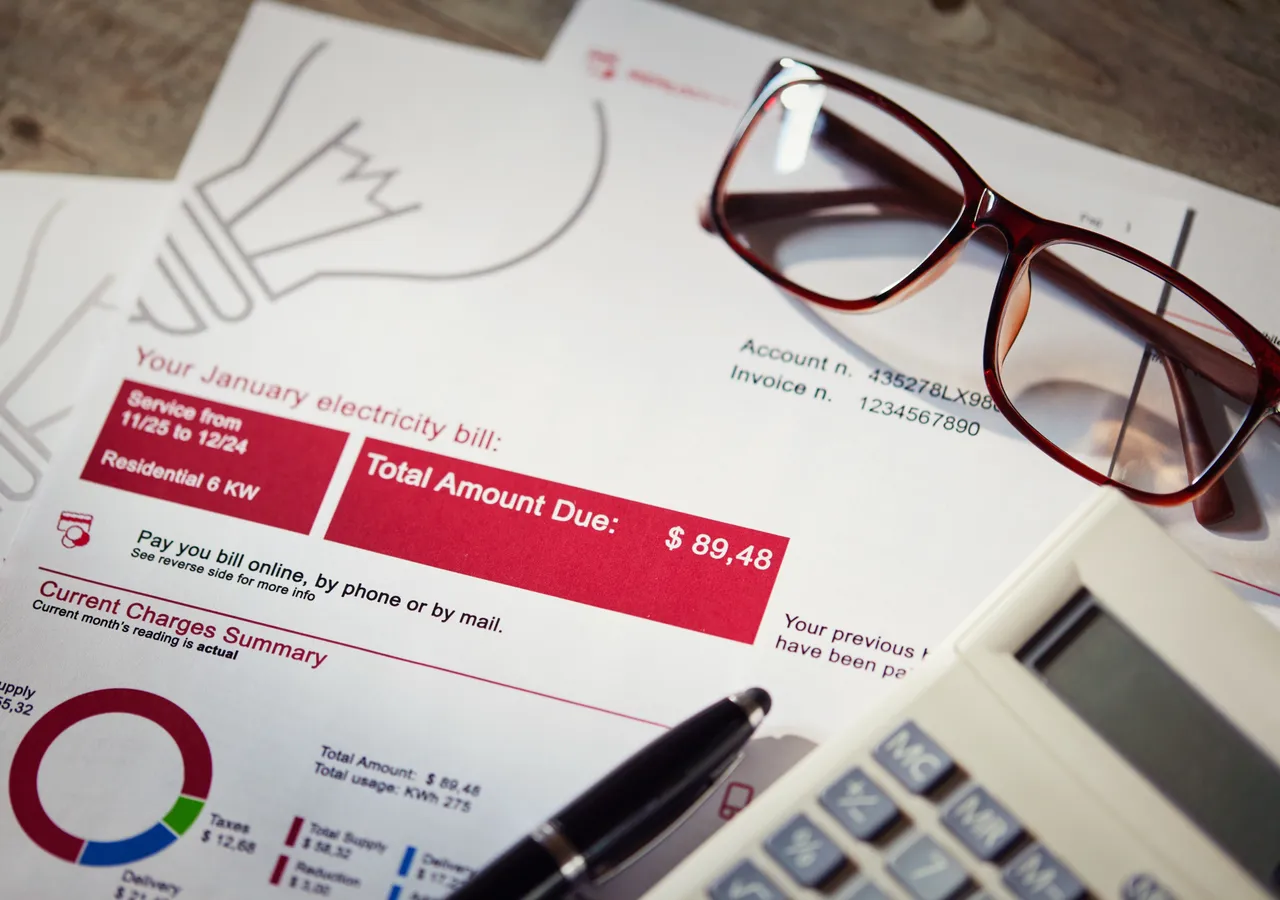
The two charges on every bill
Every electricity bill is built from two things: a daily supply charge and a usage charge. The supply charge is a fixed amount you pay for every day you are connected (typically 90c to $1.30 a day), whether you use any power or not. The usage charge is what you pay for the electricity you actually consume, measured in cents per kilowatt-hour (c/kWh).
A cheap-looking usage rate paired with a high daily supply charge can easily cost more than a plan with a slightly higher usage rate and a low supply charge. That is exactly the trap EnergySorted is built to see through. It costs both together against your real usage.
Key terms, in plain English
- Supply charge
- A fixed daily fee for being connected to the grid (c/day), independent of how much power you use.
- Usage rate
- The price of the electricity you use, in cents per kilowatt-hour (c/kWh).
- kWh (kilowatt-hour)
- The unit electricity is sold in. A 1000W heater running for one hour uses 1 kWh.
- Single rate tariff
- One flat usage rate at all times of day. Simple and predictable.
- Time-of-use (TOU) tariff
- Different rates for peak, shoulder and off-peak periods. Rewards shifting use to off-peak (usually overnight).
- Controlled load
- A separately metered circuit (often hot water or slab heating) charged at a lower rate because the network controls when it runs.
- Feed-in tariff (FiT)
- What your retailer pays you per kWh for solar power you export to the grid.
- Demand charge
- An extra charge based on your highest 30-minute power draw (in kW) during a period. Common on some plans; hard to predict.
- Discount (guaranteed vs conditional)
- Guaranteed discounts always apply; conditional ones (e.g. pay-on-time) only apply if you meet the condition.
Why your bill can jump
Bills rise for four common reasons: seasonal usage (heating and cooling), a benefit period ending (many market offers discount for 12 months, then step up), a rate change from your retailer, or a change in your tariff type. If your bill jumped without your usage changing, your rate almost certainly did. That is the moment to compare the whole market on your real usage.
Frequently asked questions
What is the daily supply charge and can I avoid it?
It is a fixed fee (often 90c to $1.30 a day) for being connected to the grid, and no, you cannot avoid it while you have a connection. It is charged every day even if you use no power, which is why a low-usage home should weigh the supply charge as heavily as the usage rate when comparing plans.
What does c/kWh mean on my bill?
It is cents per kilowatt-hour, the price of the actual electricity you use. A kilowatt-hour is the unit power is sold in, the same way petrol is sold in litres, and dividing your usage charge by the kWh used gives your real cost per unit.
Why did my bill go up when my usage did not change?
Almost always because your rate changed: a 12-month benefit period ended and stepped your prices up, or your retailer lifted its rates. If your kWh used is roughly the same as last year but the dollars are higher, the price moved, and that is the moment to compare it against the rest of the market on your real usage.
What is a demand charge and do I have one?
A demand charge is an extra fee based on your single highest 30-minute power draw in the period, measured in kW rather than kWh. It is common on some plans (especially in parts of Victoria and Queensland) and is hard to predict. See demand charges explained to check whether your plan has one and how to keep it low.
What is a controlled load on my bill?
It is a separately metered circuit, usually electric hot water or slab heating, that the network switches on mostly overnight in exchange for a much cheaper rate. If you have electric hot water, being on a controlled load tariff can save a lot compared with heating water at the normal usage rate.
What is a feed-in tariff and where does it show on my bill?
If you have solar, the feed-in tariff (FiT) is what your retailer pays you per kWh for power you export, and it appears as a credit that reduces your total. Compare the feed-in rate as carefully as the usage rate, because a high FiT can outweigh a slightly higher usage price. See solar feed-in tariffs explained.
What is the difference between a guaranteed and a conditional discount?
A guaranteed discount always applies. A conditional one (usually pay-on-time) only applies if you meet the condition, and you lose it the moment you pay a day late. If you ever pay late, the guaranteed price matters far more than a big conditional headline number.
What is the reference price or Default Market Offer mentioned on my bill?
In NSW, SA and south-east Queensland, retailers must show how their offer compares to a government-set benchmark price. It is a rough sanity check, not a guarantee you are on the cheapest plan, so a "10% below reference price" claim can still lose to a better market offer.
Why is my first bill on a new plan estimated?
If the meter was not read in time, your retailer estimates usage from your history and trues it up on the next actual read. On a smart meter this is rare; on an older basic meter an estimate can make one bill look unusually high or low, so check whether the read is marked "estimated" or "actual".
Where do I find how many kWh I used?
Look for a line labelled "usage", "consumption" or "kWh" for the billing period, sometimes split into peak, shoulder and off-peak. Dividing your usage charge by that number gives your real cost per kWh, which is the only fair basis for comparing plans.
My bill still looks high after checking the rates. What next?
Work through the loads that actually move the number (heating, cooling, hot water, pool pump, a second fridge) then re-check your plan. Our 12 practical ways to cut your power bill covers the free habit changes first, before any switch.