
What controlled load means
Controlled load is a separate circuit in your home, metered on its own and charged at a cheaper rate than your normal power. In exchange for the lower price, you let the network control when that circuit runs, usually feeding it electricity during off-peak periods, most often overnight, when there is spare capacity on the grid.
The most common thing on a controlled load is an electric storage hot water system. The tank heats up during the cheap off-peak window and holds that hot water ready for the day. Because it heats when power is cheapest, and the network manages the timing, you get a lower rate on all the electricity that circuit uses. Slab heating and pool pumps are sometimes set up the same way.
Controlled Load 1 vs Controlled Load 2
You will usually see controlled load offered as one of two options. Controlled Load 1 provides the cheapest rate but the fewest hours of supply, typically a short overnight window (often around 5 to 8 hours). It suits a well-insulated storage tank that can heat once overnight and coast through the day.
Controlled Load 2 charges a slightly higher (but still discounted) rate in return for more hours of supply, often including a daytime top-up. It suits households that use more hot water than a single overnight heat can cover, or smaller tanks that need a mid-day boost. Which one you are on is shown on your bill, and it affects both your rate and how much hot water you have available.
Is a controlled load worth it?
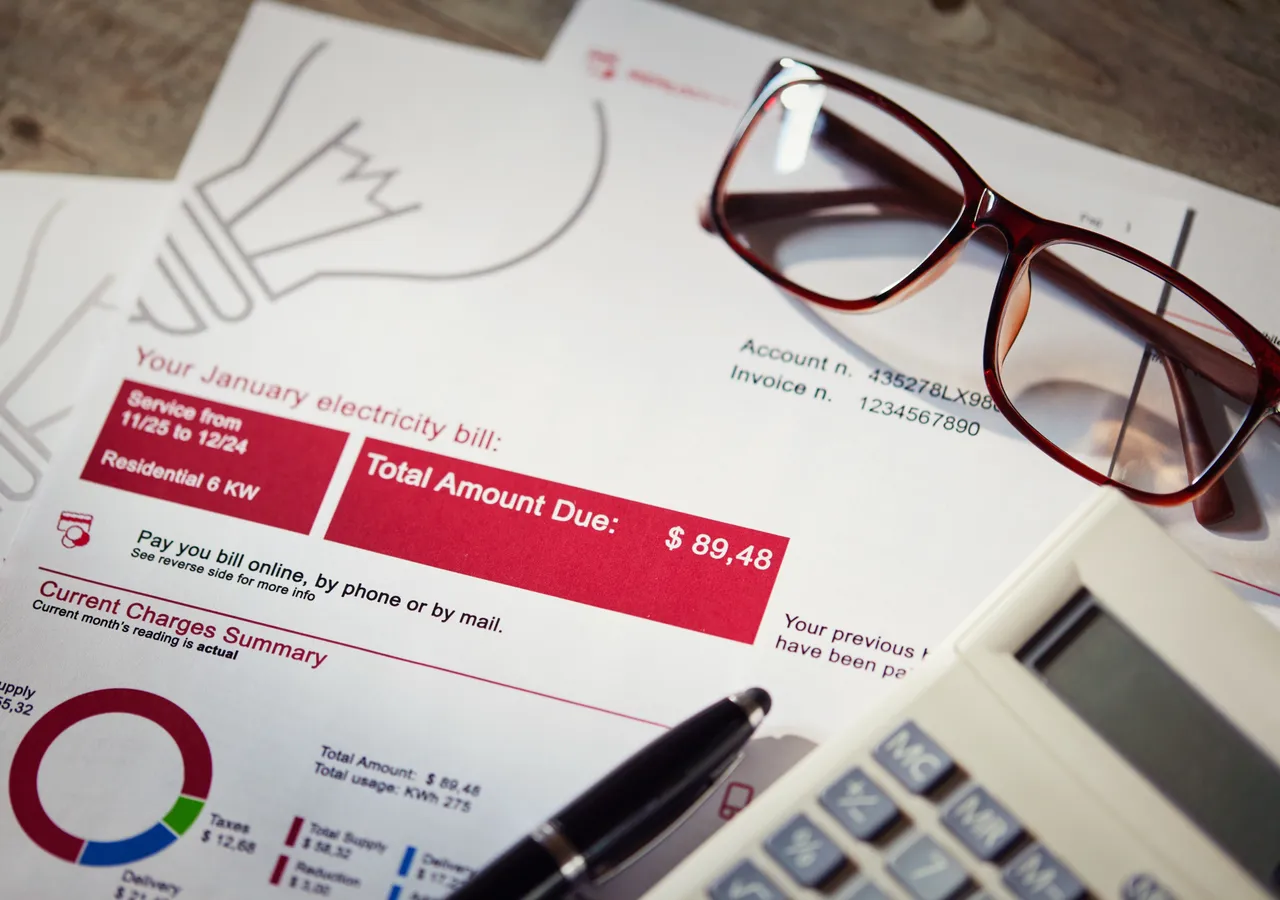
- Check whether you have one. Look for a separate "controlled load" or "off-peak" line on your bill with its own rate and usage.
- Weigh the cheaper rate against the restriction: your hot water only heats in set windows, so a big tank or good insulation helps you never run out.
- If you have solar, consider that heating water from your own daytime solar export can sometimes beat even a controlled-load rate. The right answer depends on your feed-in tariff and usage.
- When comparing plans, make sure controlled-load rates are included in the cost. EnergySorted reads the controlled-load line straight from your bill and prices it across retailers, so you are comparing like for like rather than just the main usage rate.
Key terms
- Controlled load
- A separately metered circuit (often hot water) charged at a lower rate because the network controls when it runs.
- Controlled Load 1
- The cheapest controlled-load rate with the fewest supply hours, usually a short overnight window.
- Controlled Load 2
- A slightly higher rate with more supply hours, often including a daytime top-up.
- Storage hot water
- An electric tank that heats water and holds it, ideal for controlled load because it can heat once, off-peak, and store the heat.
Frequently asked questions
Will I run out of hot water on a controlled load?
Usually not, if your tank is sized for your household. Controlled Load 1 heats in a short overnight window, so a well-insulated tank coasts through the day. If you regularly run out, Controlled Load 2 (more hours) or a larger tank may suit you better.
Is a controlled load cheaper than heating hot water on my normal rate?
Almost always, because the controlled-load rate is discounted in exchange for the network choosing when it runs. The main exception is a solar home that can heat water from its own daytime export. Sometimes that beats even a controlled-load rate.
How do I know if I have a controlled load?
Look on your bill for a separate line labelled "controlled load" or "off-peak" with its own usage and rate. If it is there, you have one. If you are not sure, EnergySorted detects it automatically from an uploaded bill.
Can I get a controlled load added?
Sometimes, if your home has (or can have) a suitable separately metered circuit and compatible hot water system. It usually involves your retailer and a metering change. Whether it is worthwhile depends on your hot water setup and whether you have solar.
Does controlled load work with solar?
It can, but the maths changes. If your solar system exports a lot during the day, diverting that free power to heat water may beat the controlled-load rate. The best choice depends on your feed-in tariff, so it is worth comparing both approaches on your real usage.
Does controlled load use a separate meter?
Effectively yes: it is a separately metered circuit, which is why it appears as its own line with its own usage and rate on your bill. That separation is what lets the network switch it on and off and charge the lower rate.
Is controlled load the cheapest way to heat water?
For a standard electric storage tank it usually is, but a heat pump running in the middle of the day, or solar-diverted power, can be cheaper still. Our comparison of electric, heat pump and gas hot water running costs lays out the options.
Does a controlled load count toward my time-of-use tariff?
No. Controlled load is billed separately from your main household usage, so it sits outside your time-of-use peak and off-peak rates. You can be on time-of-use for the house and still have a controlled-load circuit for hot water.
Can I use a controlled load for anything besides hot water?
Sometimes. Slab (in-floor) heating and pool pumps are the usual extras, since they tolerate running only in set windows. General power points and lighting cannot go on a controlled load because you need them available on demand.
What happens to my hot water in a blackout?
A storage tank keeps whatever hot water it already heated, so you usually still have a tankful during a short outage. It just will not reheat until power (and the controlled-load window) returns, which is another reason a well-sized, well-insulated tank is worth having.
Will switching retailers change my controlled load?
Your physical circuit and metering stay the same, but the rate you pay for it can differ between retailers, so it belongs in any fair comparison. When you compare plans on your real bill, the controlled-load rate is costed alongside your main usage, not left out.