
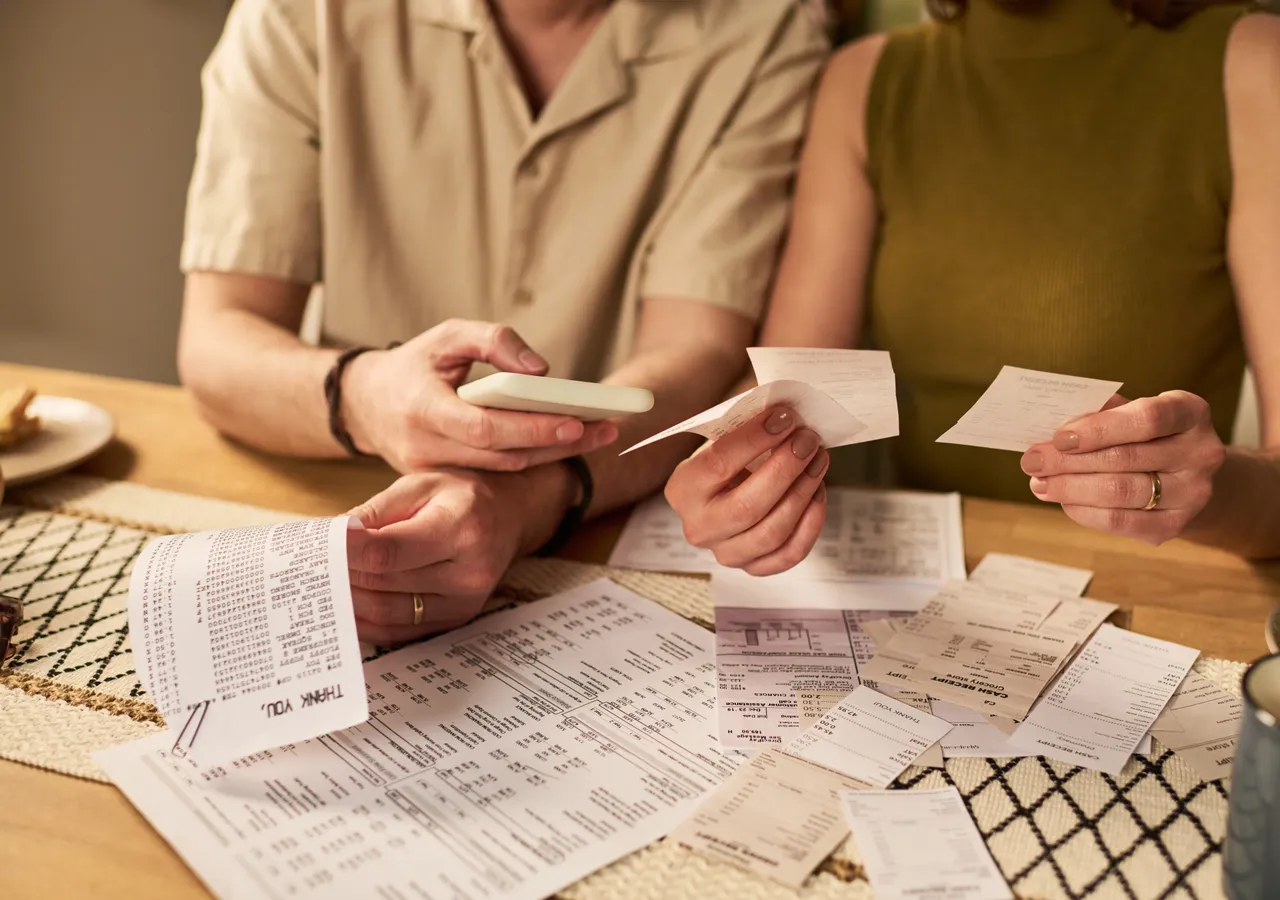
What direct debit means for energy
Direct debit is an arrangement where you authorise your retailer to automatically take payment from your bank account or card on or around each bill's due date. It removes the job of remembering to pay and can protect you from late fees caused by simply forgetting. Some retailers also offer a small discount or better plan conditions for setting it up.
The trade-off is control. With direct debit the money leaves on the retailer's schedule, not yours, and if a bill is higher than expected the larger amount is taken automatically. For some households that is a relief; for others, especially on a tight or irregular income, that loss of timing control is the very thing that causes trouble.
The upside
- Never a late fee for forgetting
- Payment happens automatically, so you avoid late-payment charges that come purely from missing a due date.
- One less thing to manage
- For busy or steady-income households, automation removes a recurring admin task and the stress of tracking due dates.
- Possible discounts
- Some plans reward direct debit (and paperless billing) with a small discount or better conditions. Check whether yours does.
The risks to weigh up
- Timing you do not control
- The money leaves on the due date whether or not it suits your pay cycle, which can clash with rent or other bills.
- Overdraw and dishonour fees
- If the account is short when the debit hits, your bank may charge a dishonour or overdrawn fee on top of the energy bill.
- A big bill hits automatically
- A high-usage quarter is taken in full without you choosing the timing, which can catch you off guard.
- Out of sight, out of mind
- Automation can mean you stop checking your bills, missing a rate rise or an error you would otherwise have queried.
How to use direct debit safely, or when to avoid it
If you go with direct debit, you can keep control by choosing a debit date close to pay day, checking each bill when it arrives rather than tuning out, and keeping a small buffer in the account so a bigger-than-usual bill does not trigger a dishonour fee. It helps to know how to read and understand your bill so nothing slips past. You can cancel or change a direct debit arrangement at any time by contacting your retailer, and reasonable notice before a debit is expected.
If your income is irregular or already stretched, manual payment (or a hardship payment plan aligned to your pay cycle) may serve you better than an automatic debit you cannot easily time. And whether or not you use direct debit, keep reading your bills: EnergySorted's Bill Health Score is designed to catch overpaying that automation can hide, and switching to a cheaper plan lowers whatever amount is debited.
Frequently asked questions
Can I cancel a direct debit whenever I want?
Yes. You can cancel or change a direct debit arrangement by contacting your retailer, and you can also instruct your bank. Do it with enough notice before the next debit date, and make sure you have another way to pay the bill so you do not fall behind.
What if a direct debit overdraws my account?
Your bank may charge a dishonour or overdrawn fee, and the energy bill still needs paying. To avoid this, align the debit with pay day and keep a small buffer. If money is tight, a hardship payment plan you control may suit you better than automatic debits.
Does direct debit get me a cheaper rate?
Sometimes. A few plans offer a small discount or better conditions for direct debit and paperless billing, but not all do, and the discount rarely outweighs being on the wrong plan. Compare the underlying rates rather than choosing a plan for the direct-debit perk alone.
Is direct debit safe if I am on a tight budget?
It can be, but the automatic timing is the risk. A big or badly-timed debit can leave you short. If your income is irregular or already stretched, manual payment or a pay-cycle-aligned payment plan often gives you more control. Choose what keeps you in charge of timing.
Will direct debit stop me being disconnected?
Direct debit helps by ensuring bills are paid on time, but the strong protection against disconnection comes from a hardship arrangement or payment plan when you are struggling. If you are behind, focus on those rather than relying on automatic payments alone.
Is direct debit better than bill smoothing?
They do different jobs and can work together. Direct debit is about how the money leaves your account (automatically), while bill smoothing is about how much leaves each time (an even amount rather than a lump). You can smooth your bills and pay each smoothed instalment by direct debit.
Can I use direct debit alongside a hardship payment plan?
Yes. If you are on the hardship program, you can often set the agreed instalment to come out automatically so you never miss one. Just make sure the amount and timing genuinely suit your pay cycle, since the whole point of the plan is that it stays affordable.
How do I make sure I am not overpaying if my bills are automated?
Keep opening every statement rather than tuning out, and check the rate against the market from time to time. Automation is where quiet rate rises hide. If your debited amounts keep climbing, look into why your bill is so high rather than just letting the larger debit go through.
What happens to my direct debit if I switch retailers?
The direct debit is with your current retailer, so it stops when that account closes. Your new retailer will set up its own arrangement if you choose direct debit again. Keep an eye on the final bill from the old retailer and confirm no further debits are scheduled.
Does paperless billing save money on top of direct debit?
Occasionally a plan bundles a small discount for going paperless and using direct debit, but it is usually minor. Do not choose a plan for these perks alone. The rate you pay per kilowatt-hour and the daily supply charge matter far more to your total bill than a paperless credit.