
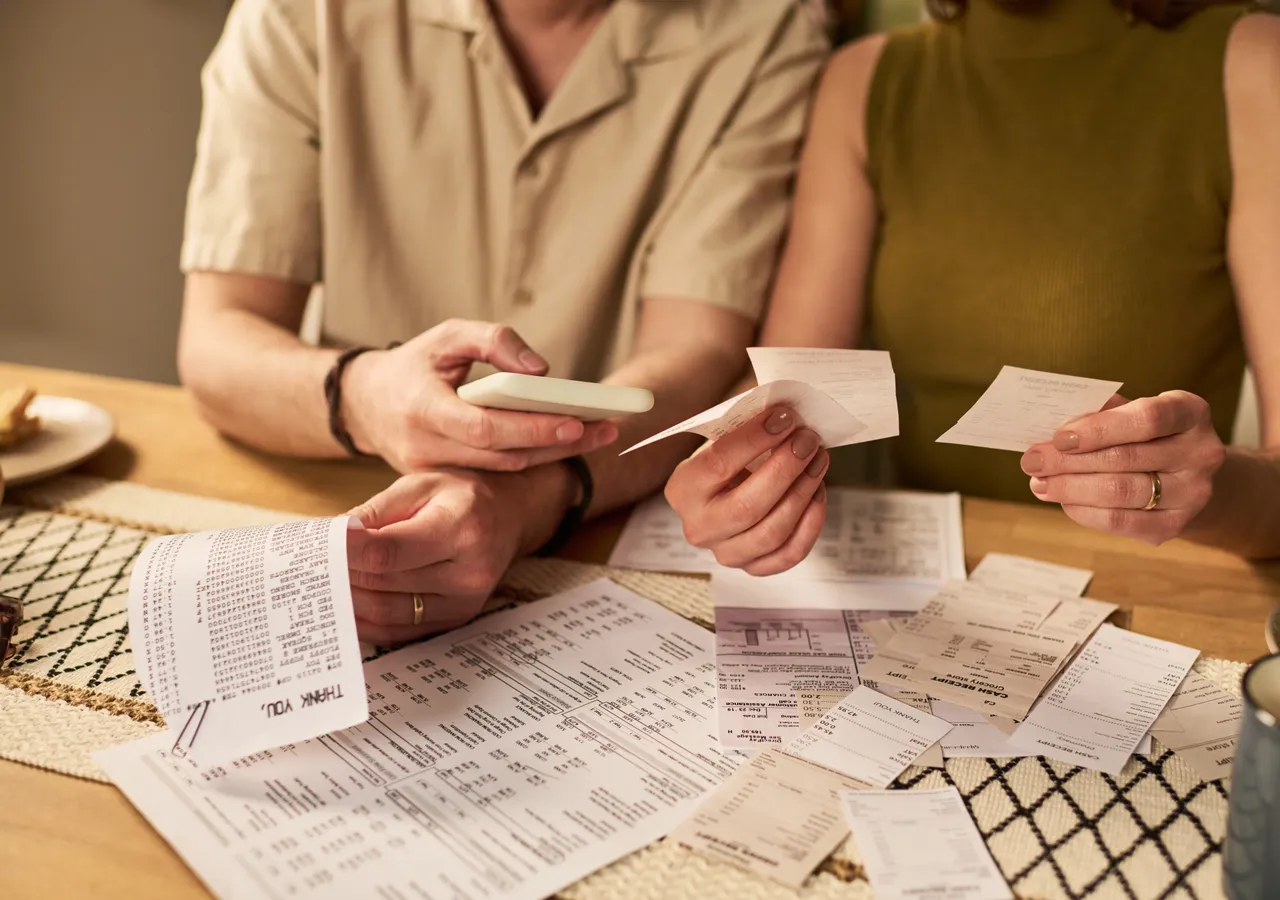
What a hardship program actually is
A hardship program is a formal support arrangement your energy retailer must provide for customers who are having genuine trouble paying their bills. It is not charity and it is not a black mark. It is a structured way to keep you connected while you get back on your feet. Being on a hardship program typically means a manageable payment plan, protection from disconnection, and often a pause on late fees or debt-recovery action while you are meeting the agreed payments.
Crucially, this is a legal requirement, not a goodwill gesture. Under Australian energy rules, every retailer must have a hardship policy and must tell customers about it. That means help exists no matter who you are with. The only step is to ask for it.
What being on a hardship program gives you
- Protection from disconnection
- While you are on a hardship arrangement and meeting the agreed payments, your retailer cannot disconnect you for non-payment.
- A realistic payment plan
- Repayments are meant to reflect what you can genuinely afford and your ongoing usage, not an amount that sets you up to fail.
- A pause on extra charges
- Many retailers waive or suspend late-payment fees and debt-collection activity while you are meeting your hardship arrangement.
- Help to lower your usage
- Hardship programs often include a check that you are on the best available plan and getting every rebate, plus energy-saving guidance.
- Referral to further help
- Your retailer can point you to concessions, grants, and free financial counselling you may not know you qualify for.
How to ask: it is easier than you fear
- Find your retailer's phone number on your bill or website, and look for the words "hardship", "assistance" or "difficulty paying".
- Call and say you are having trouble paying and would like to be considered for the hardship program.
- Be ready to talk roughly about what you can afford each week or fortnight, but you do not need bank statements or a detailed justification to start.
- Ask them to confirm, in writing or by email, what you have agreed and that you are now on the hardship program.
- Ask them to check at the same time that every concession and rebate you're entitled to is applied to your account.
If you feel brushed off
Occasionally a first call does not go well. You might be offered a plan you cannot afford or feel your situation was not heard. You are entitled to push back, to ask to speak to the hardship team specifically, and to have the arrangement reflect what you can actually pay. Retailers have obligations here, and "meeting your hardship arrangement" means one that is genuinely affordable for you.
If you still can't reach a fair outcome, you can contact your state or territory energy and water ombudsman, a free, independent service that resolves disputes between customers and retailers. A free financial counsellor (National Debt Helpline, 1800 007 007) can also speak to your retailer on your behalf if that feels easier.
Frequently asked questions
Does every energy retailer have to offer a hardship program?
Yes. Under Australian energy rules every retailer must have a hardship policy and must make it available to customers who are struggling to pay. Whoever you are with, the program exists. You just have to ask to be put on it.
Will going on a hardship program hurt my credit rating?
Simply asking for and joining a hardship program does not create a credit default by itself. Hardship support is designed to help you avoid the kind of unpaid, escalated debt that can affect credit. If you are worried about the details, a free financial counsellor can explain how it applies to your situation.
Do I have to prove I am poor to qualify?
No. You do not need to pass a strict means test or hand over piles of paperwork to start. Retailers should take your word that you are having genuine difficulty and work with you on an affordable arrangement. The focus is on keeping you connected, not on judging you.
Can I still be on a hardship program if I have some savings?
Hardship programs are about your ability to manage the bill, not an all-or-nothing wealth test. If paying the full amount now would cause you real difficulty, it is reasonable to ask for help. Confirm the specifics with your retailer or a free financial counsellor.
What if I miss a payment while on the program?
Contact your retailer as soon as you can. An early call to adjust the arrangement is far better than silence. Missing payments without contact can put your protections at risk, but retailers are expected to work with you, and a financial counsellor can help renegotiate if things have changed.
Will being on a hardship program help me claim rebates too?
It should. A good hardship team checks that every concession and rebate you are entitled to is applied while you are on the program, because that lowers the bill you are trying to pay. If they do not raise it, ask, and see our rebates and concessions guide so you know what to claim.
Does a hardship program make my energy cheaper?
Not by itself. Hardship support changes how you pay, not the rate you pay. The lasting saving comes from getting onto the cheapest plan for your usage, so it is worth checking whether an expensive plan is part of why your bill is so high once the immediate pressure has eased.
Can a financial counsellor deal with my retailer for me?
Yes. A free financial counsellor can speak to your retailer on your behalf, which many people find easier than doing it alone. They can also help with energy arrears and any wider debt. Call the National Debt Helpline on 1800 007 007 to be connected.
I already owe a lot on past bills. Is hardship still for me?
Absolutely. Hardship programs are designed exactly for arrears, spreading what you owe into affordable instalments while you keep up with new usage. The sooner you engage, the more options you keep, so do not wait until a disconnection notice arrives.
How long can I stay on a hardship program?
There is no fixed cut-off. You stay while you genuinely need the support and are meeting the agreed arrangement, and you come off once the arrears are cleared and you are back on top of your bills. If your circumstances change either way, call your retailer to adjust the plan.