
The short answer
An average Australian home uses somewhere between about 12 and 24 kilowatt-hours (kWh) of grid electricity a day. Where you sit in that range depends mostly on three things: where you live, because climate drives heating and cooling; how many people live with you; and whether your home also has gas, solar or a controlled-load hot water system.
These figures come from the Australian Energy Regulator’s residential consumption benchmarks. They were built from real meter data from thousands of homes and are the same benchmarks behind the "how do you compare" graph on your bill. If a kilowatt-hour is unfamiliar, start with what a kWh is.
By network area: average grid use per day
Average annual grid consumption in each distribution network area, divided by 365 and rounded:
- Tasmania (TasNetworks)
- About 23.6 kWh a day. Cold winters and widespread electric heating make Tasmania the highest-use state.
- ACT (Evoenergy)
- About 17.6 kWh a day.
- NSW
- About 15 to 16.5 kWh a day: Endeavour Energy (Western Sydney) about 16.4, Ausgrid (Sydney, Central Coast, Hunter) about 15.1, Essential Energy (regional) about 15.0.
- Queensland
- About 15 kWh a day: Energex (south-east) about 15.0, Ergon (regional) about 15.3. Queensland’s peak season is summer, not winter.
- South Australia (SA Power Networks)
- About 13.6 kWh a day.
- Victoria
- About 11.7 to 13.8 kWh a day, the lowest in the country, largely because so many Victorian homes heat with gas: AusNet about 13.8, Powercor about 13.4, United Energy about 12.4, CitiPower about 11.9, Jemena about 11.7.
By household size
In the warm temperate climate zone that covers urban Sydney and urban Adelaide, the AER benchmarks for NSW work out to roughly:
- 1 person
- About 8.5 kWh a day.
- 2 people
- About 14.3 kWh a day.
- 3 people
- About 17.4 kWh a day.
- 4 people
- About 20 kWh a day.
- 5 or more
- About 24.7 kWh a day.
What moves your number up or down
- Season
- In most of the south-east, winter is the heaviest quarter. In Tasmania winter use is close to double summer use. In Queensland it is the other way round: summer cooling is the peak.
- Gas in the home
- Homes with mains gas use less electricity, by about a quarter in the cooler climate zones, because heating and hot water run on gas instead. Their total energy use is not lower; it is split across two bills.
- Controlled load
- Homes with a controlled-load circuit (usually electric hot water) use roughly 25 to 45 per cent more electricity than homes without, but that extra use is billed at a cheaper rate. See controlled load tariffs.
- Solar
- Solar homes buy about 5 to 15 per cent less from the grid. The benchmarks only count grid electricity, so the power you make and use yourself does not show up, and a solar home really uses more than its bill suggests.
- The big appliances
- Heating, cooling, hot water, a pool pump and an electric car each add several kilowatt-hours a day. See air conditioner running costs, hot water running costs and EV charging at home.
How to work out your own
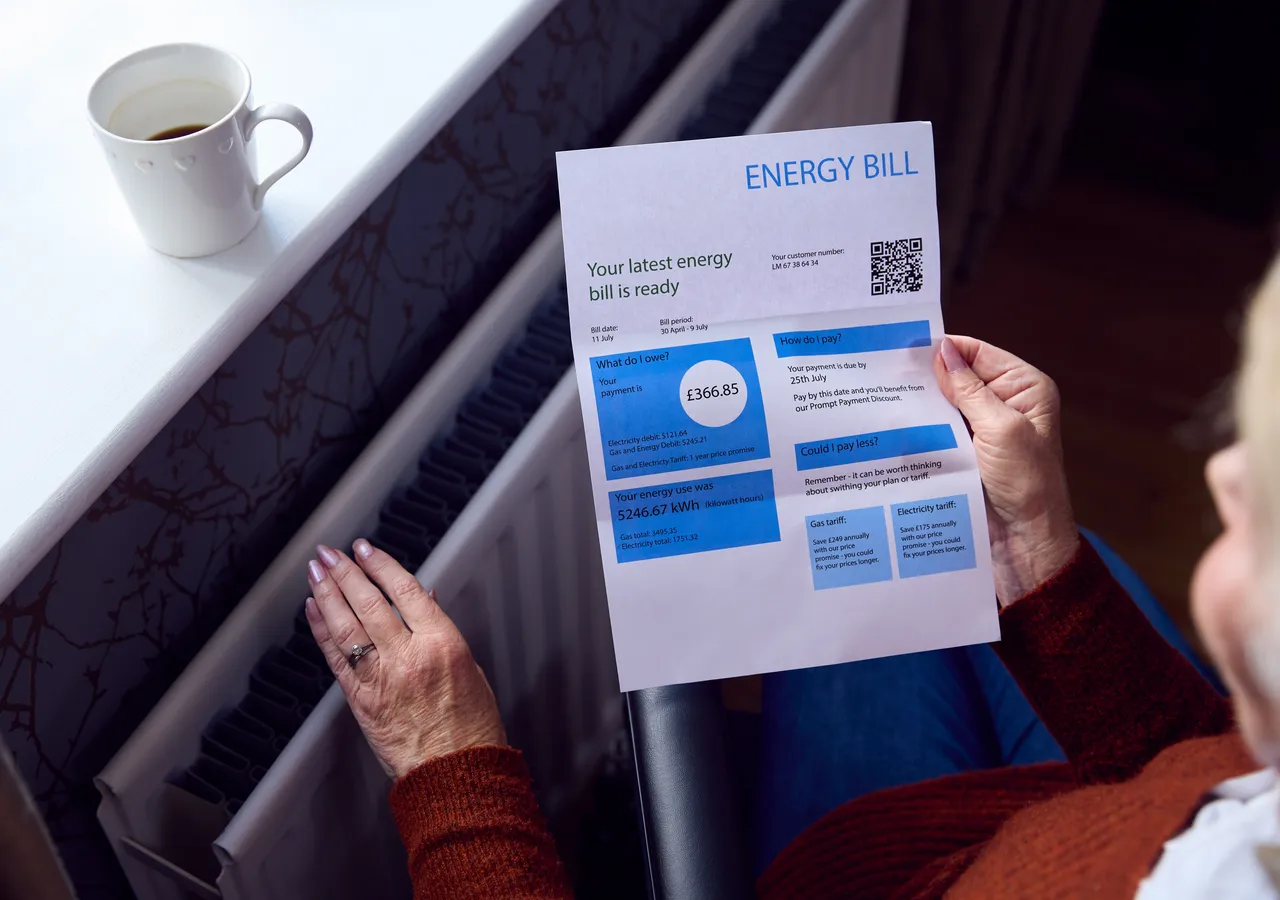
- Find the total kilowatt-hours on your latest bill. If you have peak, off-peak and controlled-load lines, add them together.
- Divide by the number of days in the billing period, which is printed on the bill.
- Compare it with the same bill last year, not the last quarter. Seasons swing usage a long way.
- Look for the benchmark graph on your bill. Retailers in most states show how your daily use compares with similar homes in your area.
Why the number matters more than the average
Your daily usage decides which plan is cheapest for you. A low-usage home is hit hardest by the daily supply charge, so a plan with a low supply charge often wins even if its usage rate is higher. A high-usage home is the opposite. See why supply charges went up. When you use power matters too: households that use most of their power in the evening suit different plans from those home during the day. See time-of-use vs single rate.
Upload a bill to EnergySorted and we work out your kilowatt-hours per day for each billing period, chart it over time, and cost every plan at your address on your real usage, so the plan that suits a household like yours, not an average one, comes out on top. Check a bill free.
Frequently asked questions
How much electricity does an average house use per day in Australia?
Roughly 12 to 24 kWh of grid electricity a day, depending on the state, household size and whether the home has gas, solar or electric hot water. Victoria is lowest and Tasmania highest.
Is 20 kWh a day a lot?
For a one- or two-person home it is high. For a family of four in Sydney or Adelaide it is about average. Compare yours with the benchmark graph on your bill, which is matched to your area and household size.
How much electricity does a one-person household use?
In urban Sydney and Adelaide, the AER benchmark works out to about 8.5 kWh a day for a single-person home.
How many kWh does a family of four use per day?
About 20 kWh a day in the warm temperate zone covering urban Sydney and Adelaide. More in colder areas or homes without gas, less with gas heating and hot water.
Why is my usage higher in winter?
Heating, longer hours of lighting and hot water working harder with cold incoming water. In most of the south-east, winter is the heaviest quarter of the year.
Does solar reduce how much electricity I use?
It reduces how much you buy from the grid, typically by 5 to 15 per cent on the benchmark data, more with a battery. Your total use stays the same; part of it simply comes from your roof.
How do I find my daily usage?
Divide the total kilowatt-hours on your bill by the days in the billing period. With a smart meter, you can also download your half-hourly data from your retailer or distributor. See how to get your smart meter data.
Where do these figures come from?
The Australian Energy Regulator’s residential energy consumption benchmarks, prepared by Frontier Economics from distributor and AEMO meter data and published in December 2020. They measure grid electricity only.